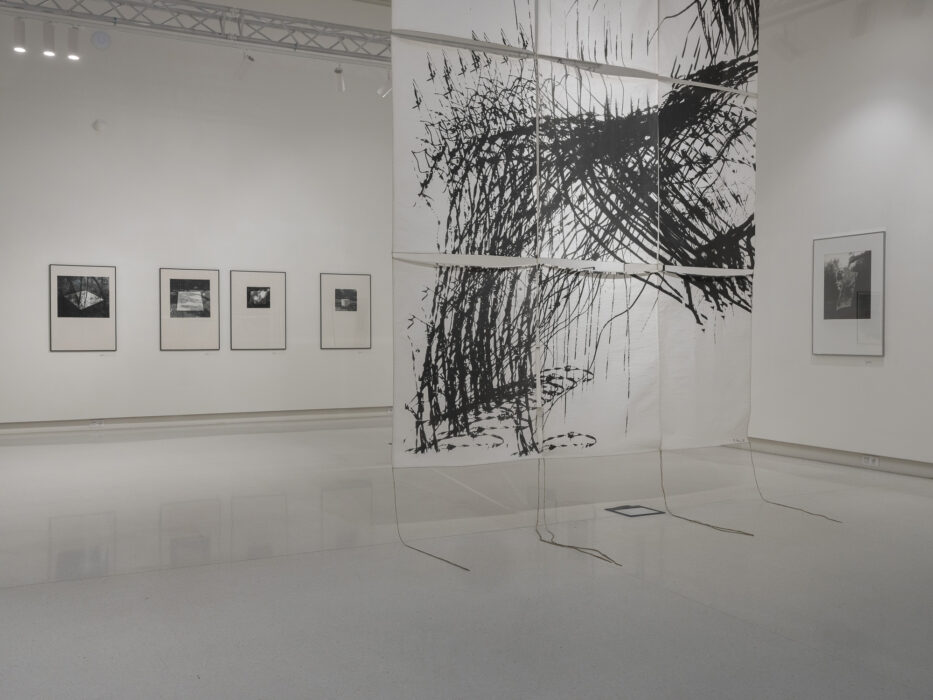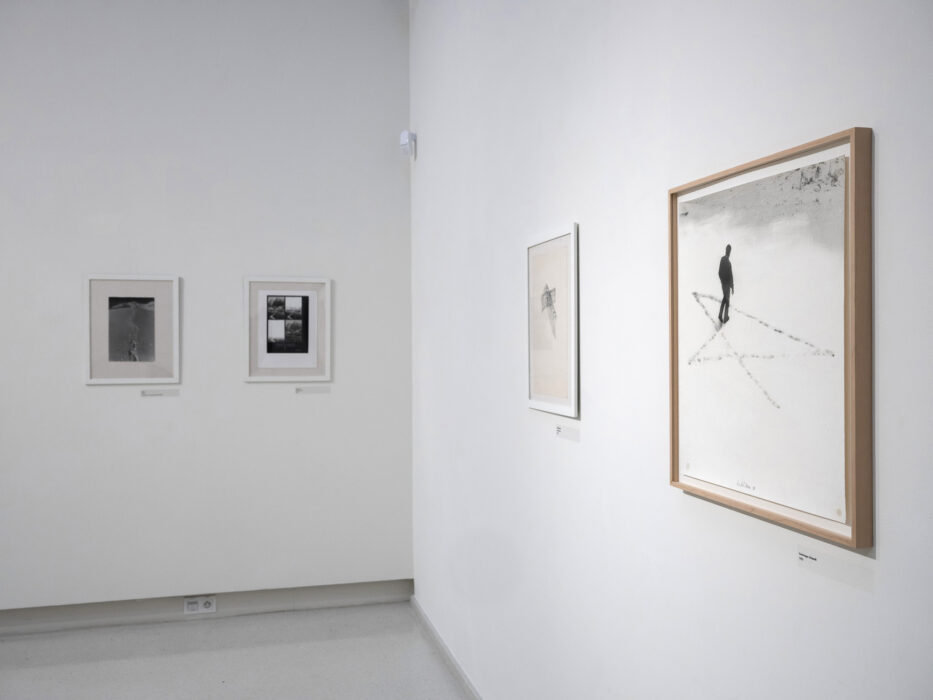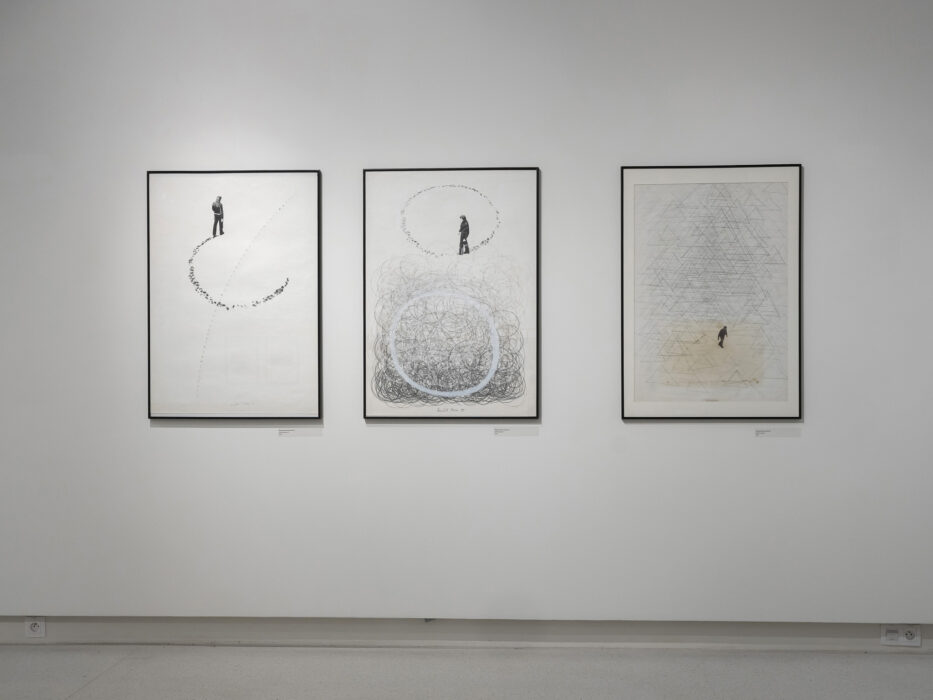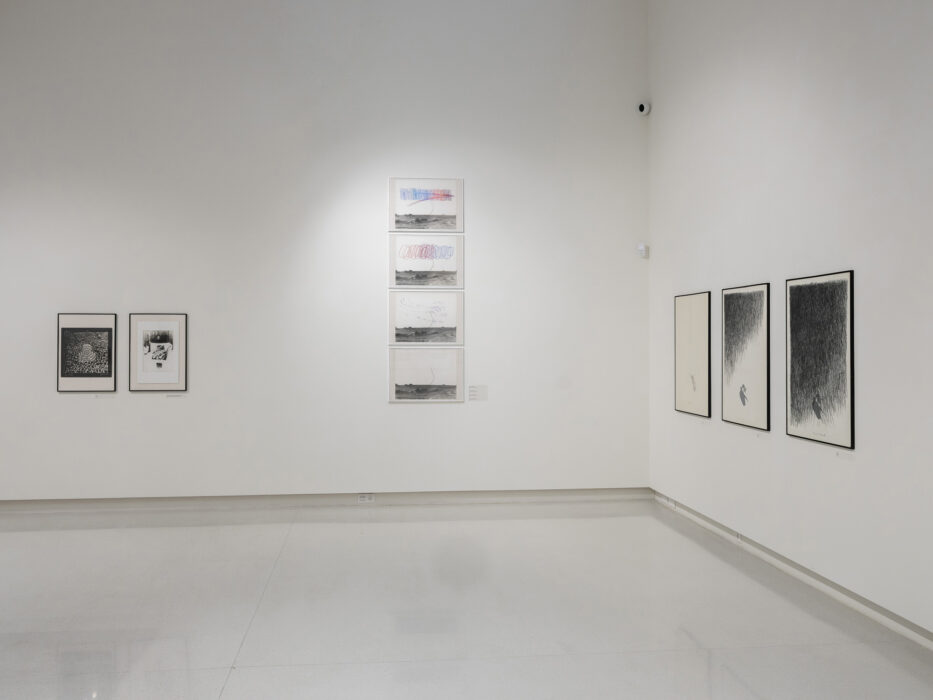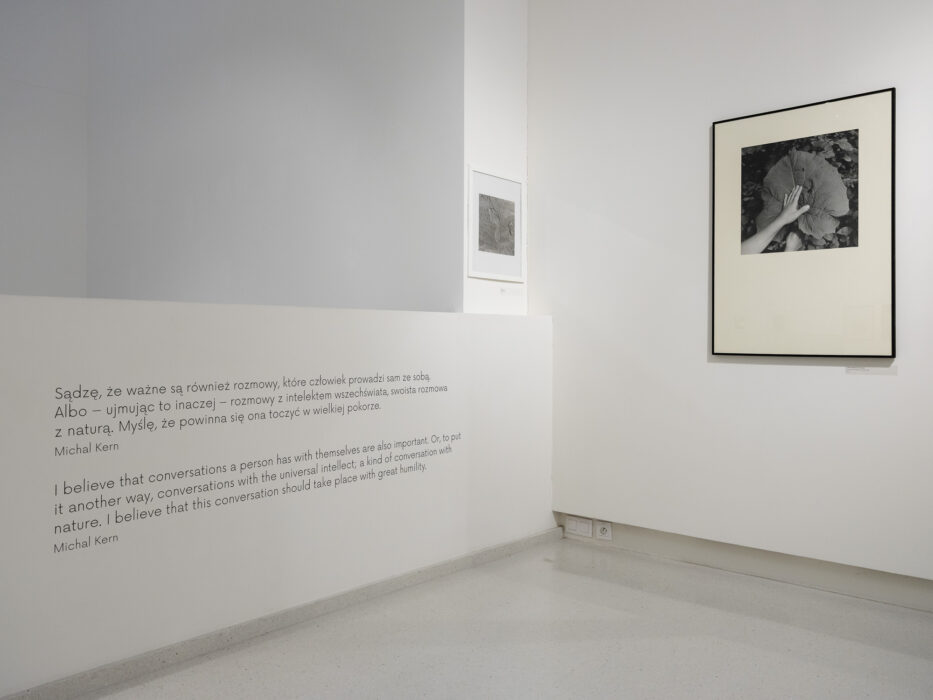
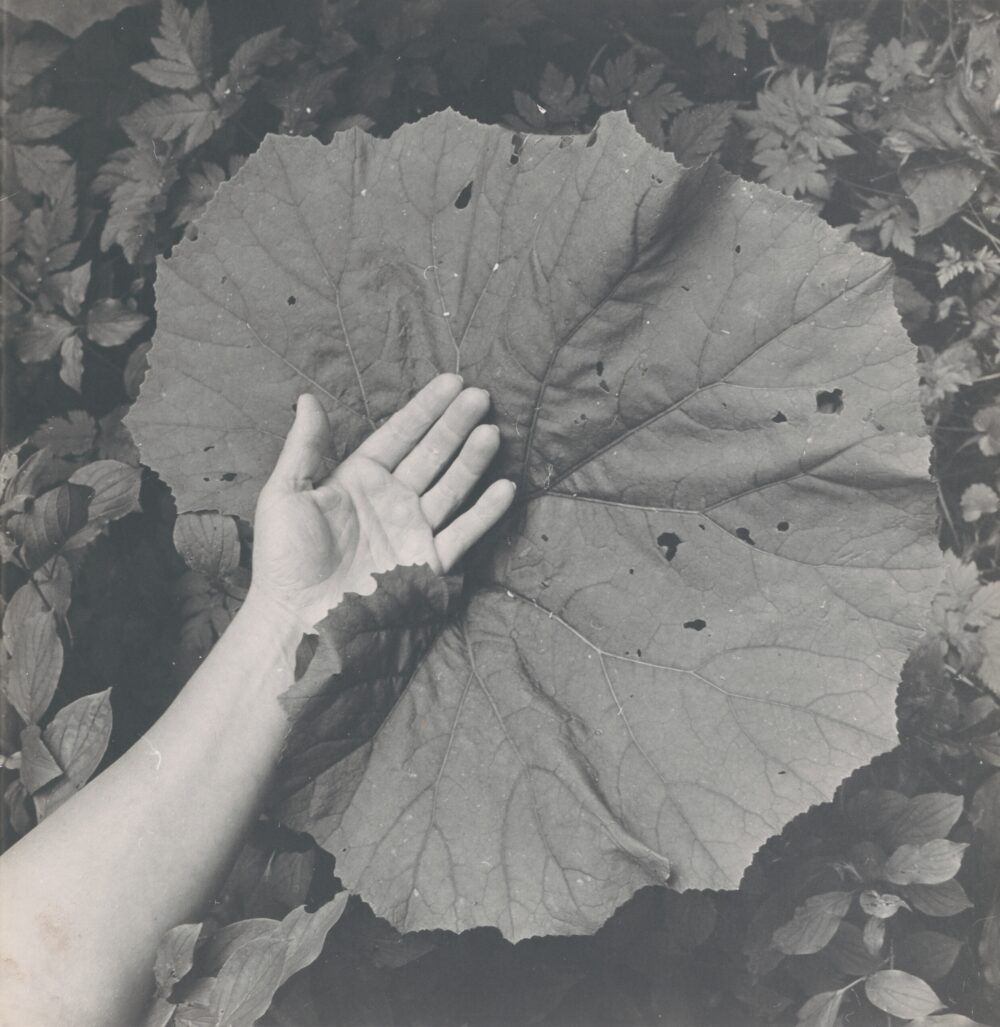
Nature is my studio, and my studio is nature.
Michal Kern
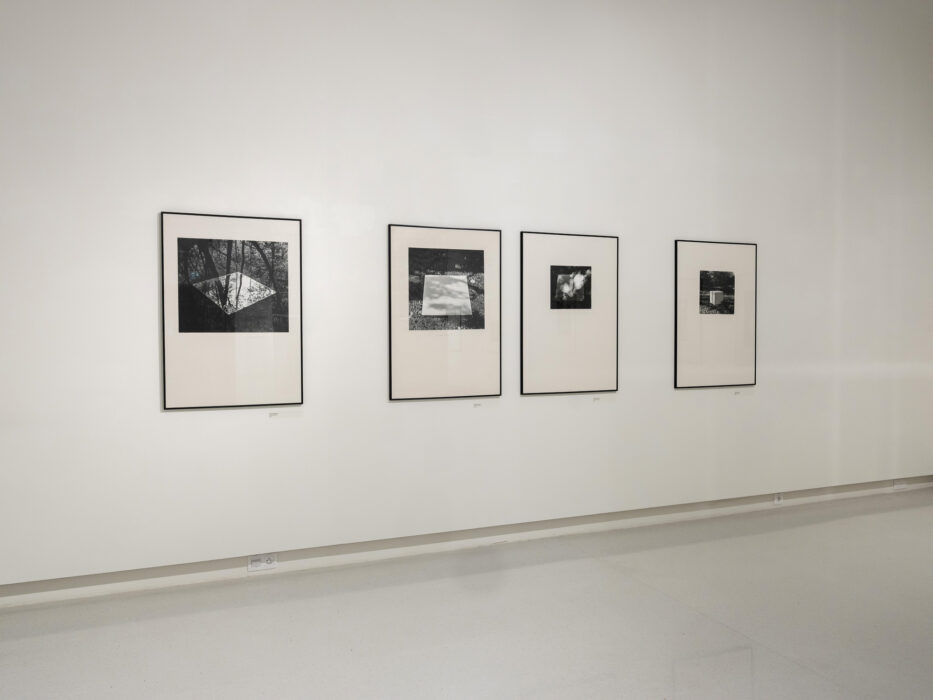
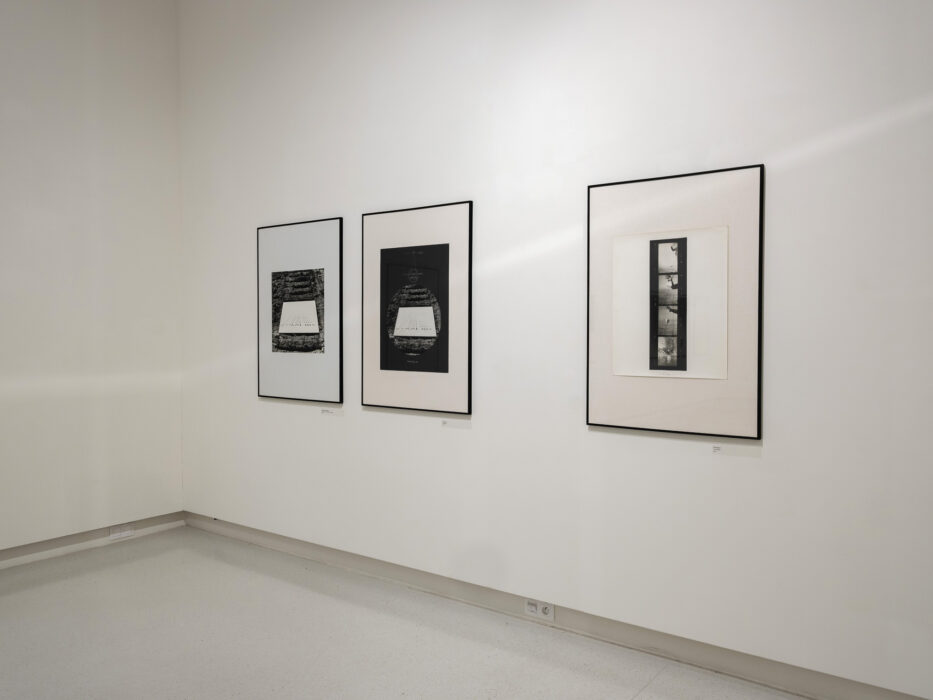
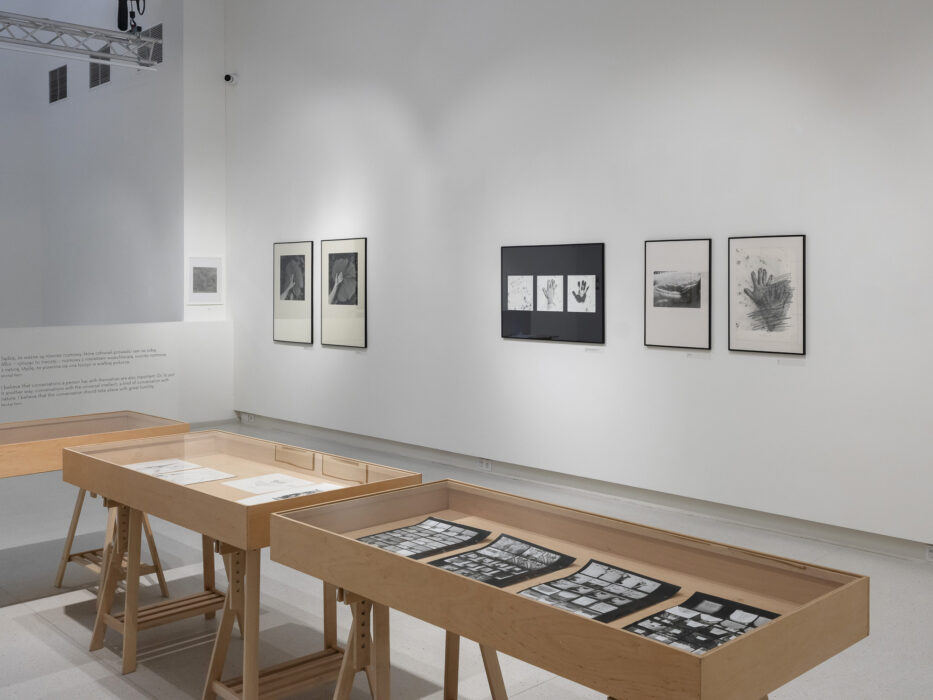
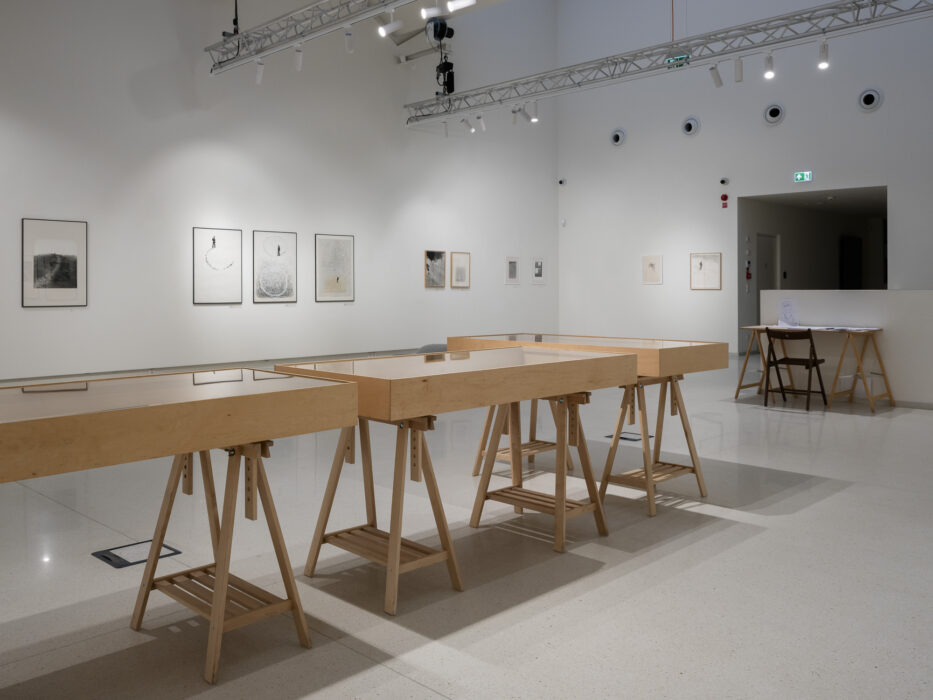
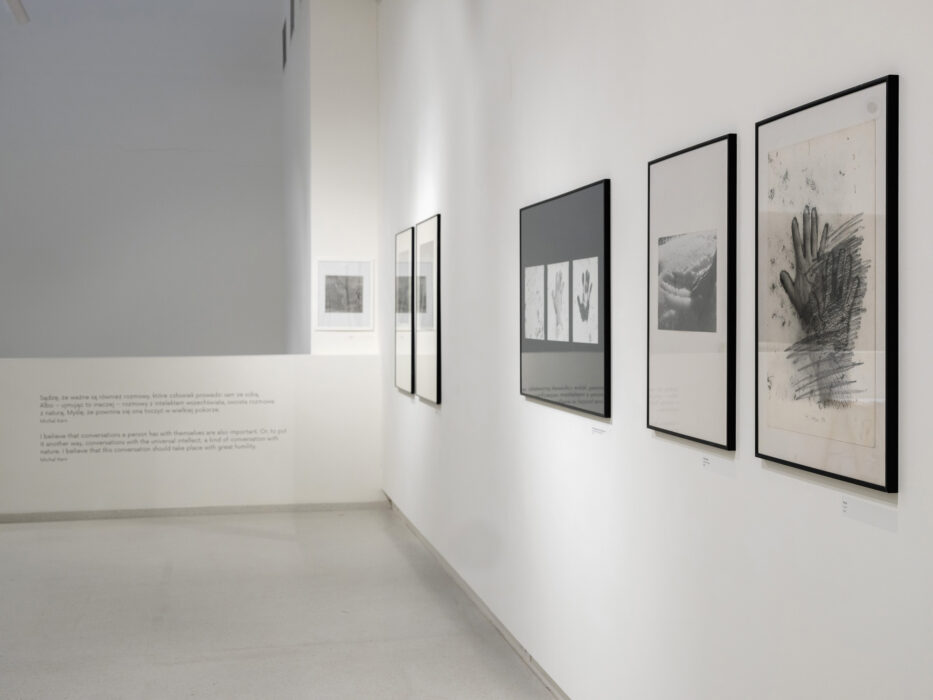
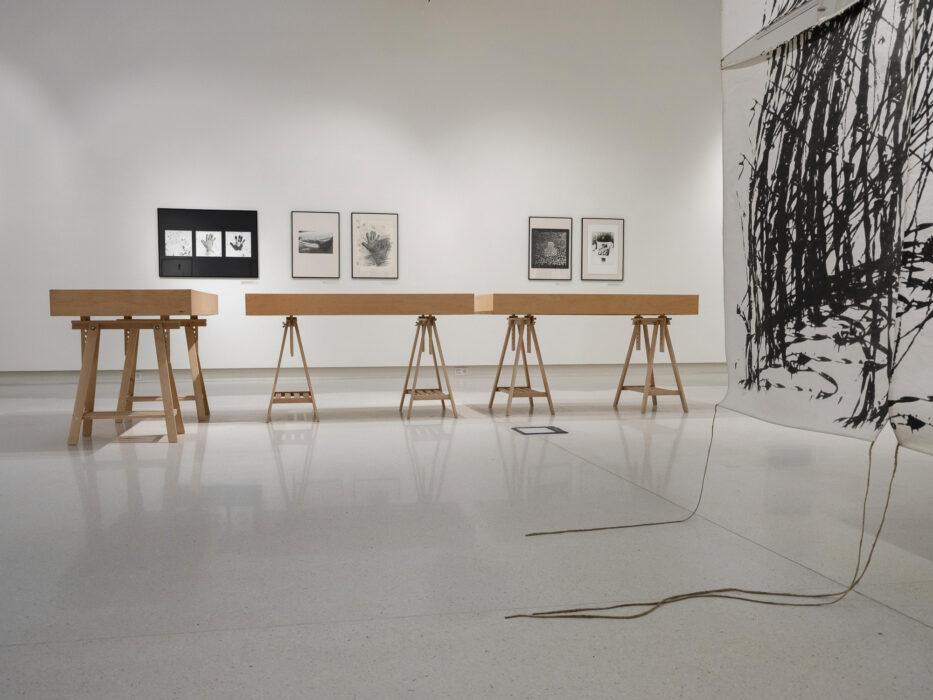
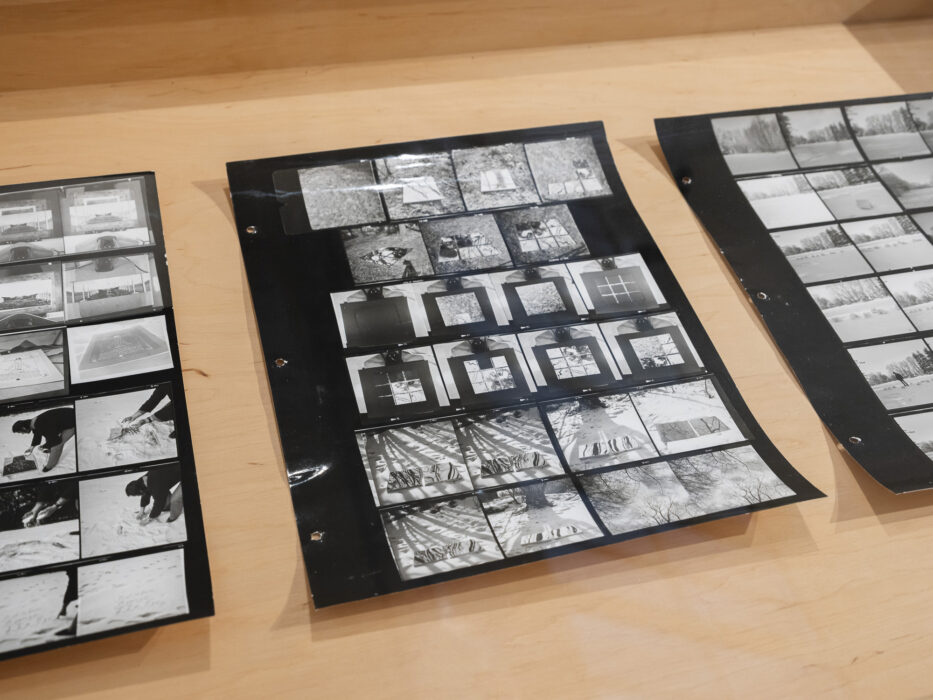
This exhibition is about nature – about creating art in nature and in collaboration with nature, thanks to nature and through nature. It is a record of human activity in the landscape – a record of actions and concepts in the landscape. The touch of nature, and a search for balance between man and nature.
Imagine being born and growing up in one of the most beautiful corners of Slovakia: Demänovská Dolina in Liptovský Mikuláš District. Together with your father, you regularly climb the peaks of the Low Tatras and the Roháče, go skiing, and learn to live in harmony with nature, the world, and yourself. You help your parents tend to their sprawling garden, through which the romantic Demänovka River flows near a unique system of underground caves.
In the historic interiors of your classical-style family home, you regularly encounter not only paintings by your father, a founding figure of modern Slovak art, Peter Július Kern (1881–1963), but also works by other significant artists and intellectuals.
Yet, the communist regime’s construction ambitions in the Liptov region are gradually starting to destroy the landscape of your childhood, eventually taking on monstrous proportions. To the west of your family’s estate, construction is beginning on Liptovská Mara – the second-largest dam in Slovakia, which will flood part of the landscape of your childhood. To the north, a new motorway with a roundabout will cut you off from your natural surroundings. To the east, a megalomaniacal complex of military academy buildings will be constructed. And right on your land, high-voltage pylons will be erected, supporting power lines above your garden.
If all this were to happen today, you would probably have the chance to move away and escape – retreat into your own world, close your eyes and forget. In 1962, however, the situation was different. And what is more, Michal Kern was so strongly attached to the land of his childhood that, after graduating from the Academy of Fine Arts in Bratislava, he turned down an assistant’s post and decided to return home to Liptov.
Michal Kern belongs to the pioneering generation of action art and conceptual art in Slovakia and is one of the country’s most important artists. His singular sensitivity and deep connection with the natural environment meant that his work focused on the exploration of nature, landscape, and ecology. The resulting artworks cannot be understood today without the context of the climate crisis and ecological catastrophe, to which he drew attention in his art.
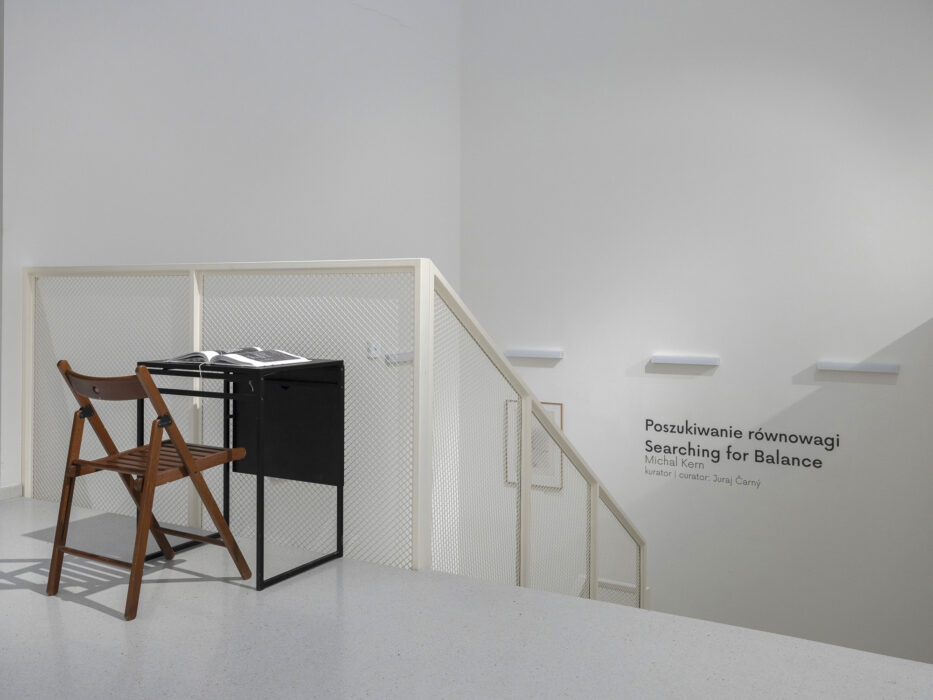
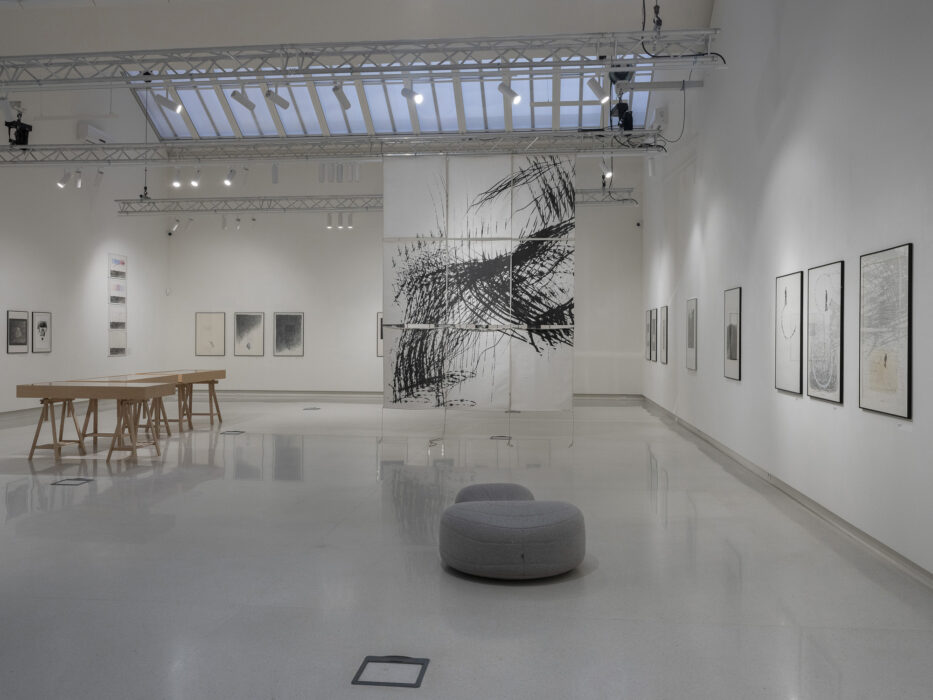
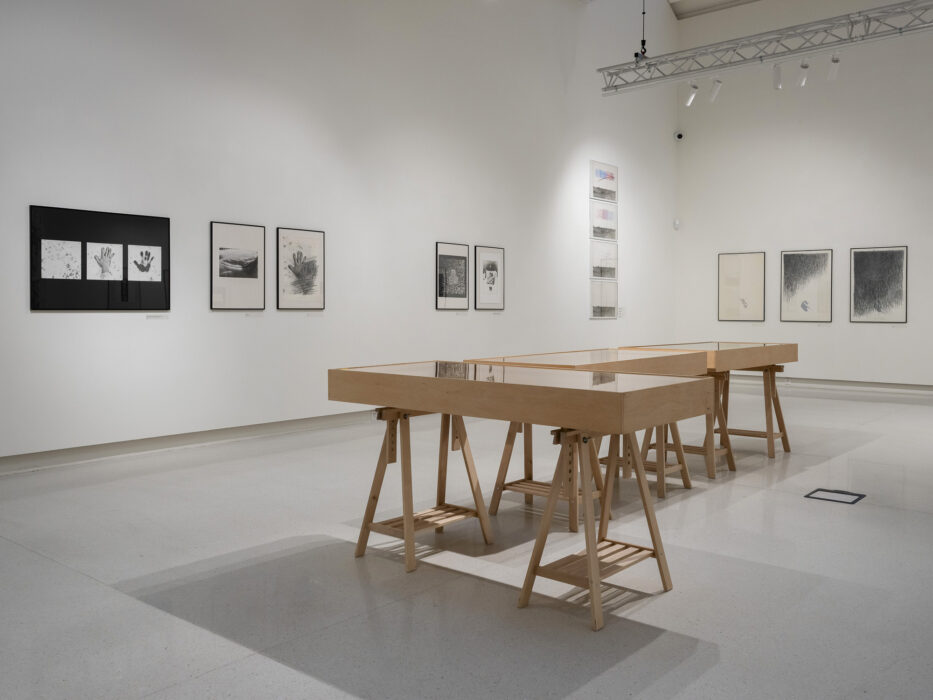
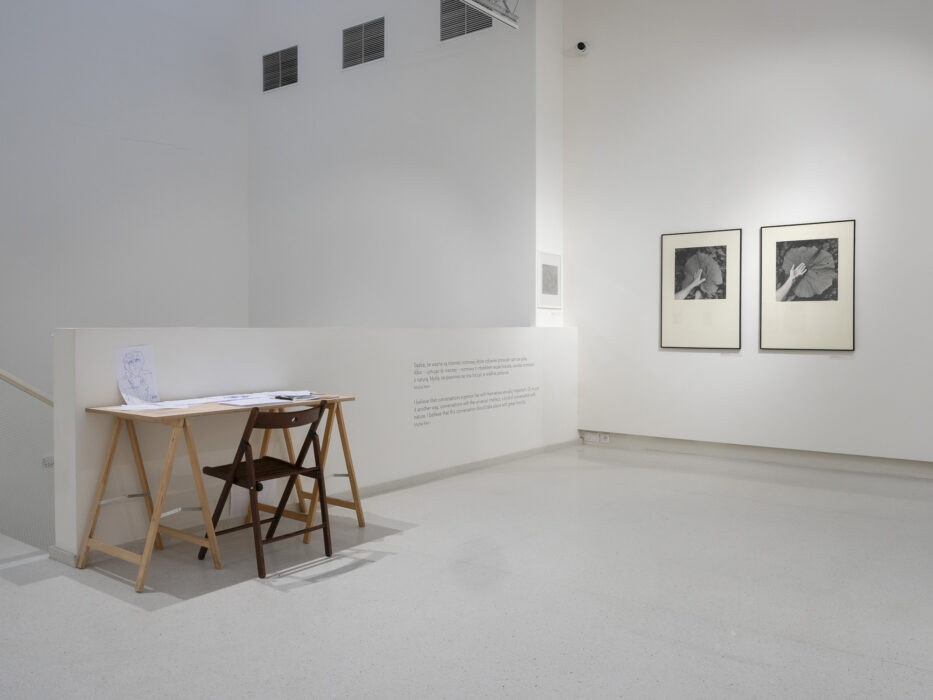
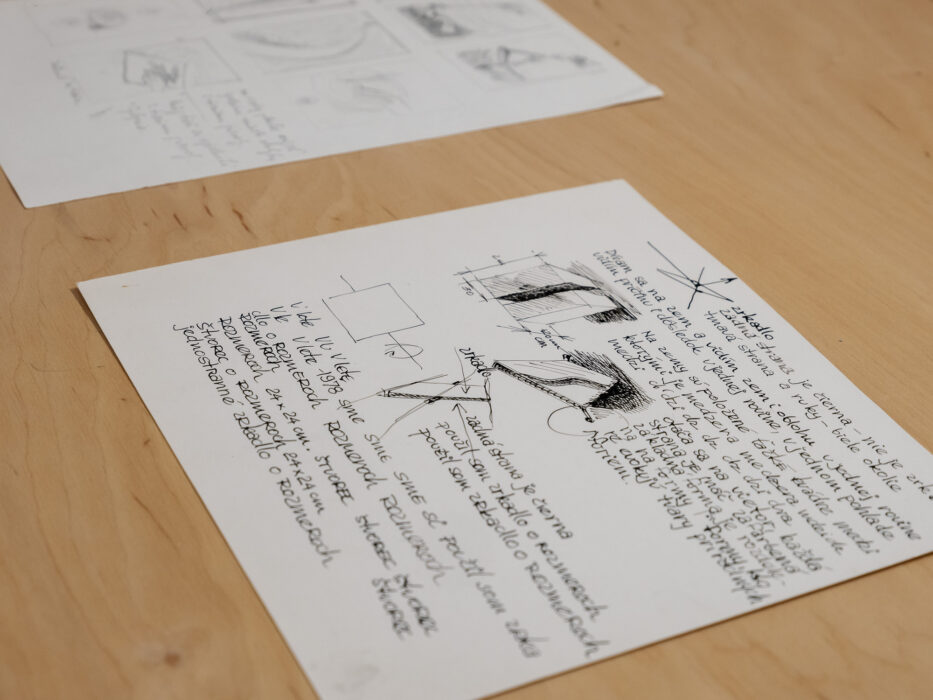
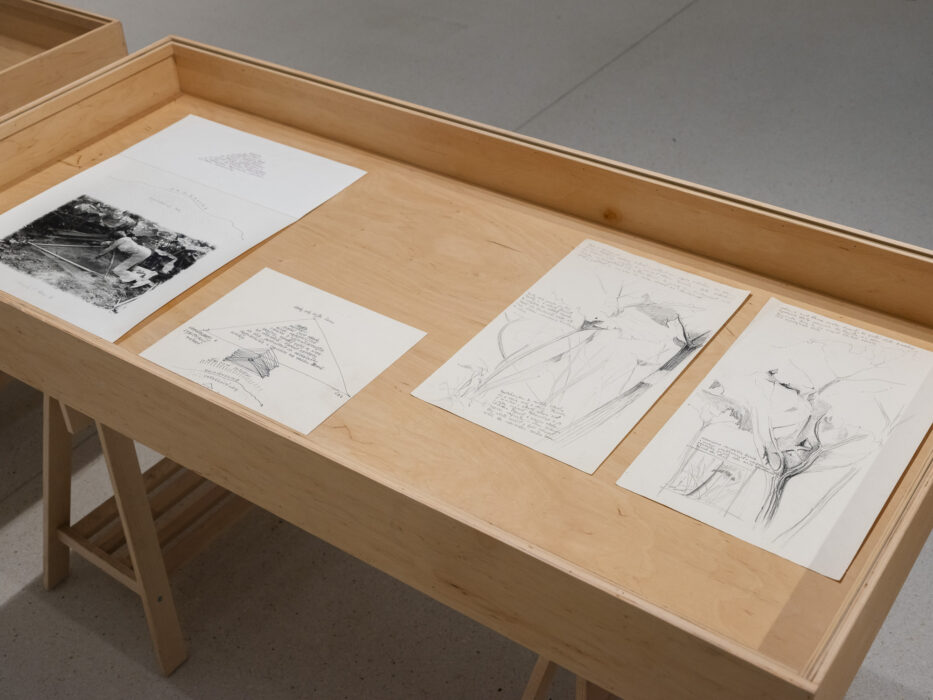
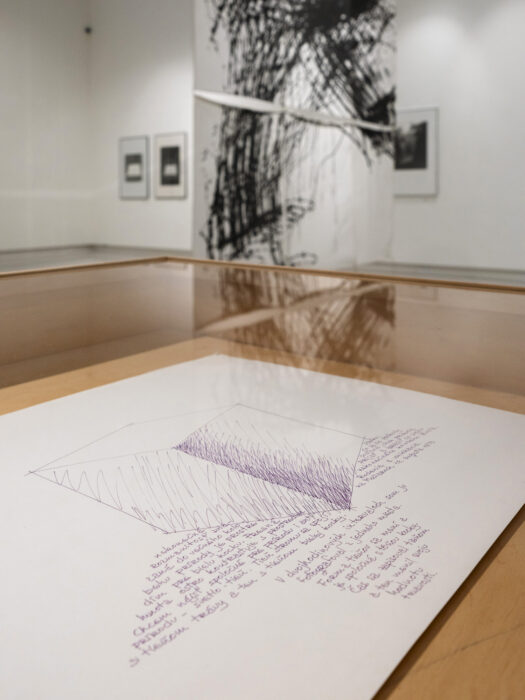
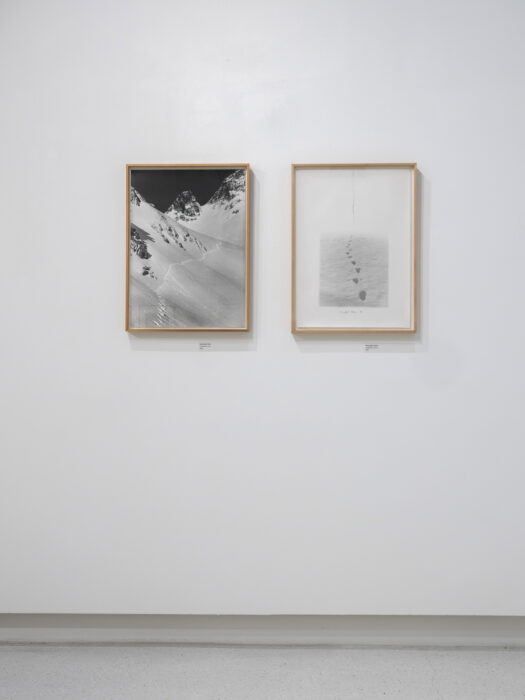
The international reach of Michal Kern’s work was largely restricted by the communist regime’s strict censorship of experimental and conceptual art. Nevertheless, he managed to establish regular contacts with the unofficial Moscow art scene (for example, Francisco Infante-Arana) and to exhibit his works at exhibitions in Poland, Hungary, the Netherlands, Germany, and other countries. Michal Kern’s work currently features in all major public collections in Slovakia. The current exhibition at the Arsenał Municipal Gallery in Poznań presents a selection of works from the collection of the Peter Michal Bohúň Gallery in Liptovský Mikuláš, as well as from its deposit collection. The exhibition highlights all the main strands of Michal Kern’s work: photography, drawings, prints, action art, conceptual art, and diaries.
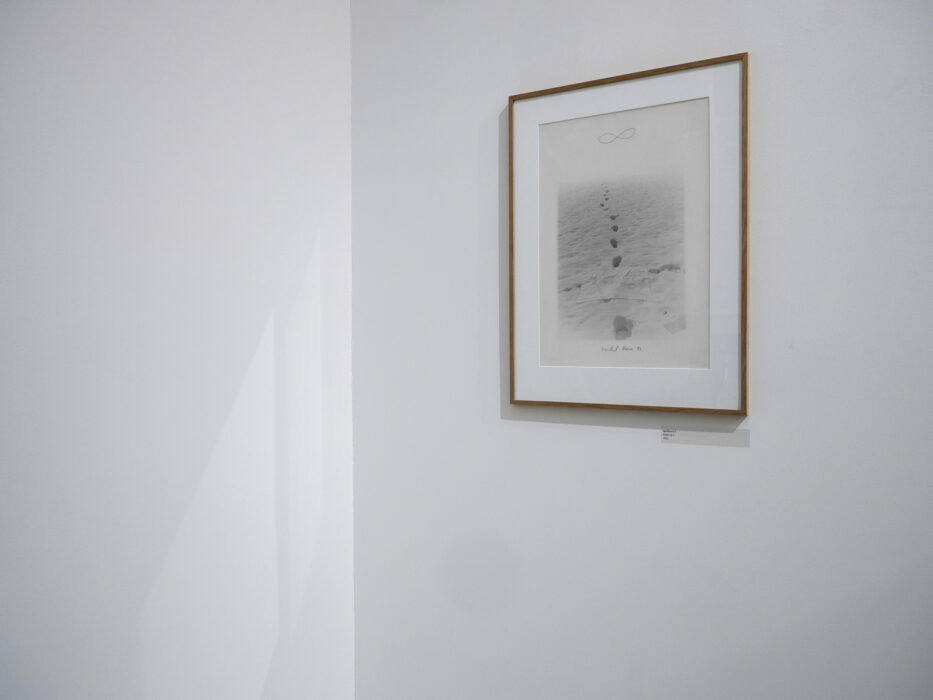
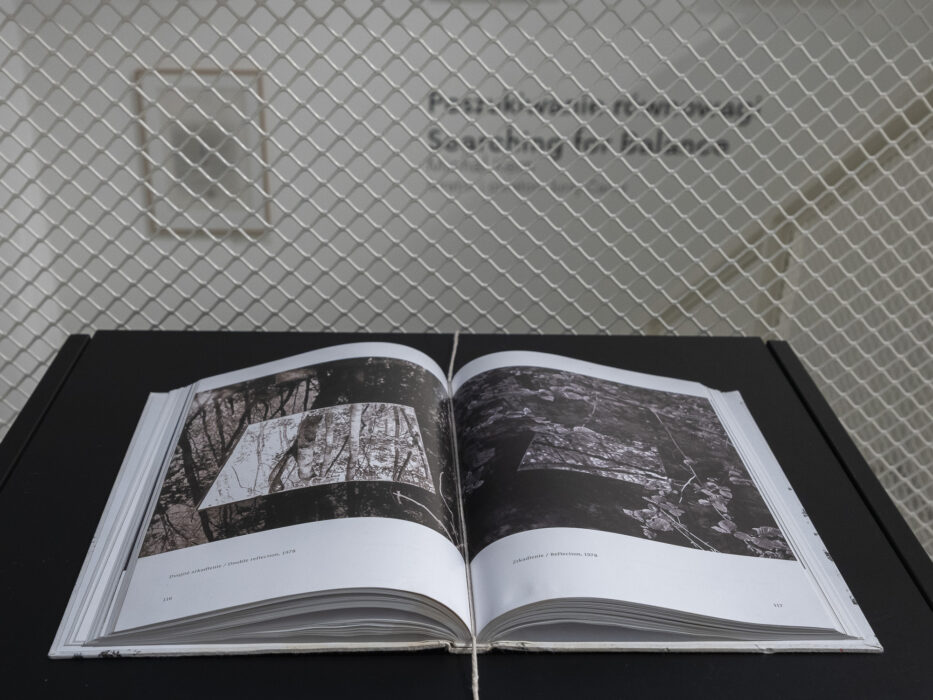
The exhibition also features visual poetry: Burdocks, Touches, Water, Shadows, Snow, Traces, Grass, Wind, Stones, Reflections, Hiding Places and others.
Michal Kern (1938–1994) is a pioneer and one of the leading representatives of landscape art in Slovakia; he belongs to the so-called unofficial art scene and to the founding generation of action art and conceptual art. The main themes of Kern’s oeuvre include landscape, nature, humanity, ecology, and the Holocaust. He regarded nature as his studio and spent almost his entire life in his native region at the foot of the Demänovská Valley, in Močary near Liptovský Mikuláš.
curator: Juraj Čarný
 Supported using public funding by Slovak Arts Council.